H.P. Lovecraft: The Picture in the House - short story review
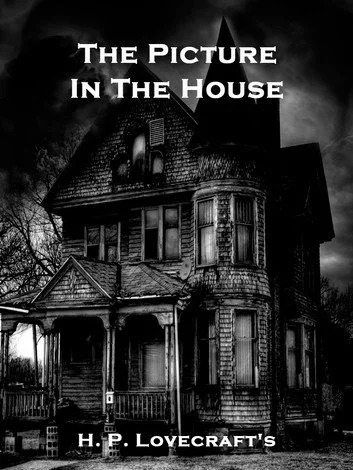
Whenever I read Lovecraft, I remind myself that English language can be quite beautiful and subtle in its moods. I love how in just a few sentences he builds anticipation and nurtures inanimate objects (houses, landscapes) with a certain mystique and history, relating it back to its people and to the protagonist, like a skewing mirror.
"By necessity practical and by philosophy stern, these folk [from New England] were not beautiful in their sins. Erring as all mortals must, they were forced by their rigid code to seek concealment above all else; so that they came to use less and less taste in what they concealed. Only the silent, sleepy, starring houses in the backwoods can tell all that has lain hidden since the early days; and they are not communicative, being loath to shake off the drowsiness which helps them forget. Sometimes one feels that it would be merciful to tear down these houses, for they must often dream. [...] Distant though it was from the remnant of a road, the house none the less impressed me unfavourably the very moment I espied it. Honest, wholesome structures do not stare at travellers so slyly and hauntingly, and in my genealogical researches I had encountered legends of a century before which biassed me against places of this kind. Yet the force of the elements was such as to overcome my scruples, and I did not hesitate to wheel my machine up the weedy rise to the closed door which seemed at once so suggestive and secretive." (The Complete Fiction of Lovecraft, p. 104)
The short story itself has to do with the protagonist finding a 16th century book (Pigaffeta's Regnum Congo) with graphic depictions of cannibalism in Congo in (what he thought was) an abandoned house. It's haunting—it's Lovecraft after all. Just a shame it was so short.
Rating: 3/5